
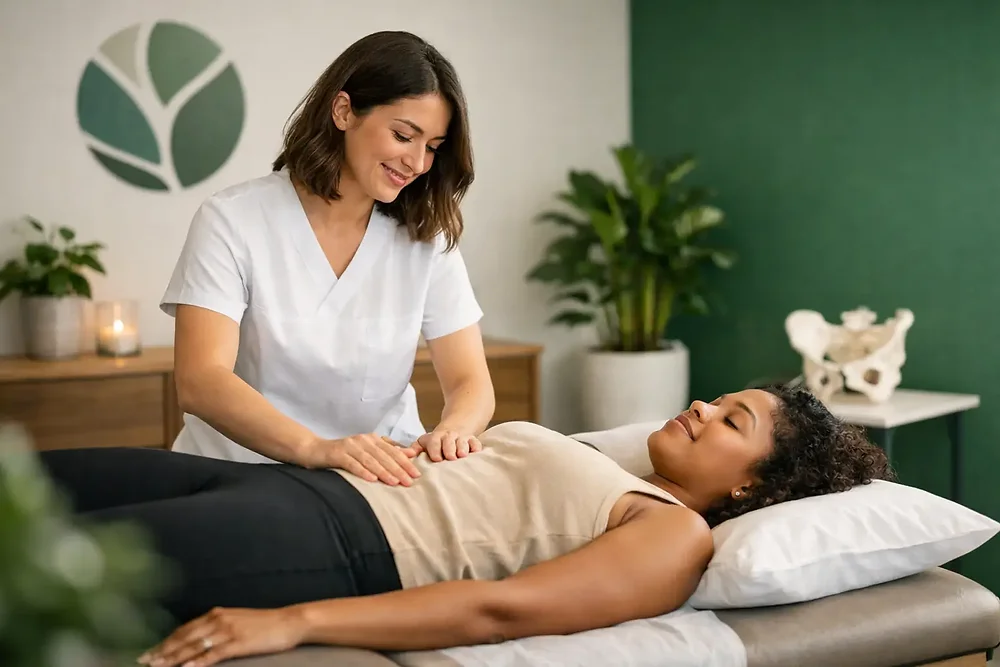
Pelvic pain can make ordinary life feel surprisingly complicated. Sitting through meetings, walking to the station, exercising, having sex, recovering after birth, even getting comfortable in bed can all start to feel like negotiations with your body. When people search for pelvic osteopathy London services, they are often not looking for a quick fix. They want someone who will listen properly, make sense of what they are feeling, and help them recover in a way that fits real life.
That is where a more individual approach matters. The pelvis is not an isolated structure. It works closely with the lower back, hips, abdominal wall, ribcage and pelvic floor, and it is influenced by breathing, posture, training load, pregnancy, surgery, stress and day-to-day habits. If one part is under strain, other areas often start compensating. Good care looks at that full picture rather than chasing one sore spot.
What pelvic osteopathy in London involves
Pelvic osteopathy is a hands-on, movement-based approach that aims to reduce pain, improve mobility and help you feel more confident in your body again. In practice, that usually means a detailed conversation, a physical assessment and treatment that is tailored to your symptoms, your history and your goals.
For one person, the main issue might be pain around the sacroiliac joints after pregnancy. For another, it might be recurring tension through the hips and lower back linked to period-related pelvic discomfort. Someone else may be struggling with pain during training, after surgery or while returning to exercise postnatally. These situations can feel similar on the surface, but they do not always need the same treatment plan.
An osteopath may use gentle manual techniques to address stiffness, muscle tension and movement restriction around the pelvis and surrounding structures. Just as importantly, treatment often includes practical rehabilitation advice. That might involve breathing work, graded strength exercises, mobility work, changes to loading, or advice on positioning and daily movement. The aim is not simply to help you feel better for a day or two, but to help you move better and rely less on repeated short-term relief.
Who might benefit from pelvic osteopathy London care
Pelvic discomfort shows up in different ways, and the impact is often wider than people expect. Some patients come in with a clear trigger, while others have had symptoms building over months or years.
You may benefit from pelvic osteopathy London support if you are dealing with persistent aches around the pelvis, tailbone, hips or lower back, especially if movement feels restricted or certain positions keep aggravating things. It can also be useful for women navigating period-related pain, pregnancy discomfort, postnatal recovery, scar tightness or the physical changes that can come with perimenopause and menopause.
Active people often seek help when running, lifting, cycling or long desk-based days seem to flare pelvic or hip pain. Urban professionals, in particular, can get stuck in a pattern where stress, commuting, prolonged sitting and inconsistent exercise all add up. The body adapts, but not always comfortably.
There are also times when pelvic pain affects confidence more than movement. You may start avoiding exercise, social plans or intimacy because you are unsure what will trigger discomfort. That uncertainty can be just as exhausting as the pain itself, and it deserves to be taken seriously.
Why pelvic pain is rarely just one thing
One of the frustrations with pelvic pain is that it can feel vague, changeable or difficult to explain. Some days it is sharp, other days heavy or tight. It may sit in the front of the pelvis, around the tailbone, into the groin, or spread into the lower back and thighs. That does not mean it is imagined or untreatable. It usually means the area is influenced by several factors at once.
The pelvis has to transfer load between the upper and lower body. It responds to how you breathe, how you stand, how you train, how you recover and how well different muscle groups are sharing the work. Hormonal changes can also affect tissue sensitivity and stability. After pregnancy or surgery, scar tissue, altered movement patterns and reduced strength can all play a part.
This is why a rushed appointment can miss the mark. If your symptoms are treated as a single local problem without considering the surrounding mechanics and your wider routine, progress may be slower than it needs to be. A more thorough assessment helps identify what is driving the issue and what is simply reacting to it.
What to expect at an appointment
A good appointment should feel collaborative, not intimidating. You should have time to explain what you are feeling, when it started, what makes it better or worse, and how it is affecting your life. That includes sport, work, sleep, parenting, commuting and anything else that matters to you.
The physical assessment usually looks at posture, movement, joint mobility, muscle tension, strength and control. Depending on your symptoms, that may include the lower back, hips, abdomen and ribcage as well as the pelvic area itself. The goal is to understand how your body is functioning as a whole.
Treatment is then guided by what is found. Sometimes hands-on treatment brings noticeable relief quickly, especially if stiffness and guarding are major contributors. In other cases, the bigger win comes from helping the body tolerate load better over time through tailored exercises and changes to activity. Neither approach is better in every case. It depends on what your body needs and where you are in recovery.
At eve Clinic, this kind of one-to-one care is designed to give patients enough time to be properly assessed, treated and guided, rather than squeezed into a generic plan.
Pelvic osteopathy and women’s health
This is one area where feeling heard makes a real difference. Too many women have been told that pelvic pain is something to put up with, especially around menstruation, pregnancy, postnatal changes or menopause. Even when symptoms are common, that does not make them something you should simply tolerate without support.
Osteopathic care can play a valuable role in helping women manage the musculoskeletal side of pelvic discomfort. That may include tension through the lower back and pelvis during pregnancy, postnatal aches linked to feeding positions or lifting, or reduced mobility and confidence when returning to exercise. It may also involve working around abdominal or pelvic scar tissue with a gradual rehabilitation approach.
This kind of care is not about promising miracles. It is about understanding your symptoms in context, easing physical strain where possible, and giving you a clear plan so you feel less stuck. Often, patients feel better not just because pain reduces, but because they finally understand what is contributing to it and what they can do next.
Choosing the right pelvic osteopathy London clinic
Not every clinic will be the right fit, and that matters. Pelvic issues can feel personal and sometimes emotionally loaded, so clinical expertise alone is not enough. You also need to feel respected, comfortable and listened to.
Look for a practitioner who takes time with the assessment, explains things clearly and avoids one-size-fits-all treatment. If your symptoms relate to pregnancy, postnatal recovery, period pain or other women’s health concerns, specialist experience in those areas is particularly valuable. It can change both the quality of the assessment and the relevance of the advice you receive.
Location can matter too, especially if you are trying to fit appointments around work or family life. For many people travelling through London Bridge or Borough, access to specialist pelvic osteopathy within an already busy week makes it much easier to stay consistent with care.
A useful sign of quality is whether treatment is paired with a plan. Hands-on work can be helpful, but lasting progress usually comes when that is combined with rehabilitation, movement guidance and realistic advice for your own routine.
When to seek support
If pelvic pain is lingering, recurring or changing the way you move, it is worth getting it looked at. The same applies if you are reducing activity, struggling after pregnancy, feeling held back during exercise, or simply tired of guessing what your body can cope with.
You do not need to wait until things become severe to ask questions. Early support often helps people recover more calmly and with less disruption. Sometimes the first step is just a proper conversation with a clinician who understands the area and can help you work out what kind of care makes sense.
The most helpful treatment is not always the most complicated. Often, it starts with being taken seriously, having the full picture assessed, and being given a plan that helps you move forwards with less pain and more confidence. If your body has been asking for that kind of support, listening now may make the next few months feel very different.