
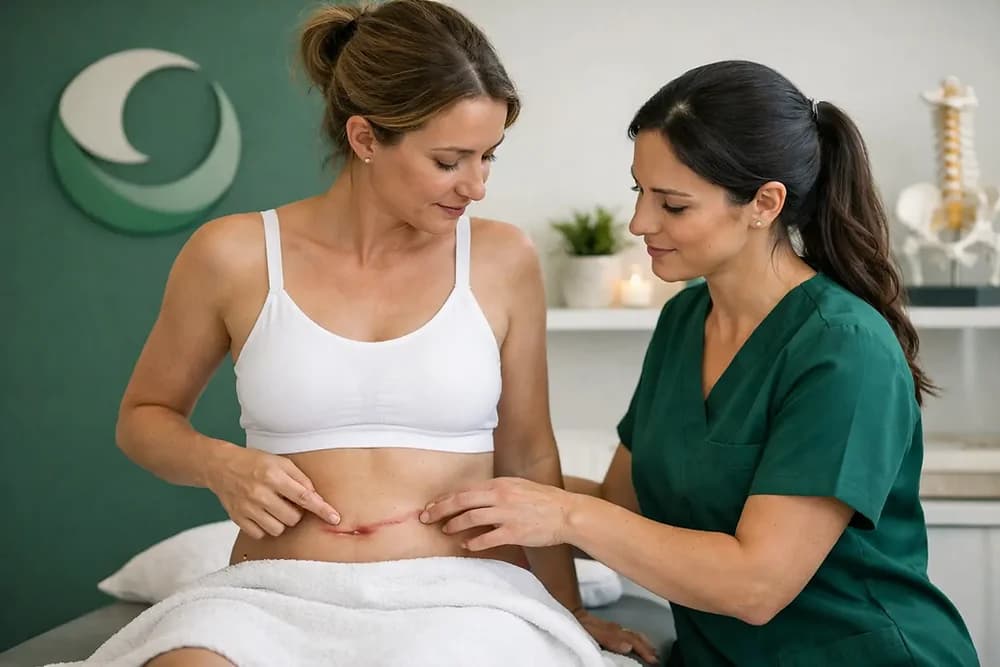
That tight, pulling feeling around a surgical scar can be more disruptive than many people expect. Scar tissue treatment after surgery is not just about how a scar looks - it can affect comfort, movement, confidence and how easily you return to work, exercise or daily routines. For some people, the scar settles with time. For others, it stays sensitive, restricted or oddly numb long after the wound has closed.
A scar is a normal part of healing. The body lays down collagen to repair tissue after an incision, and that repair process is essential. The difficulty is that scar tissue does not always form in a way that moves well with the surrounding skin, fascia and muscle. When it becomes stiff or sticks to deeper layers, you may notice pain, tightness, reduced mobility or a sense that the area just does not feel like yours again.
Why scar tissue can cause problems after surgery
Not all scars need treatment, and not all discomfort means something has gone wrong. Early healing often involves tenderness, swelling and firmness. That is expected. Problems tend to arise when the scar remains overly tight, sensitive or tethered as healing progresses.
This matters because scars are not isolated lines on the skin. A scar from abdominal surgery can influence how easily you twist, breathe deeply or stand upright. A caesarean scar may contribute to pulling across the lower abdomen and affect confidence with exercise or postnatal recovery. Orthopaedic scars can limit joint movement and change how you load the body, sometimes leading to compensation elsewhere.
There is also a sensory side to scar healing. Some scars feel numb, itchy or hypersensitive. Light touch from clothing can feel surprisingly uncomfortable. In those cases, treatment is often about improving tolerance and restoring a more normal relationship between the scar and the nervous system, not simply softening the tissue.
What scar tissue treatment after surgery usually involves
Scar tissue treatment after surgery should be tailored to the stage of healing, the type of operation and your current symptoms. There is no single best method for every scar, and timing matters.
In the early stages, treatment is usually gentle. The priority is to support healing, reduce unnecessary tension around the area and help you move in ways that feel safe. That may include advice on posture, breathing, walking, changing position and avoiding habits that irritate the area. If swelling or guarding is contributing to discomfort, hands-on treatment to the surrounding tissues can help without directly overloading the scar.
Once the wound has fully closed and your consultant or surgical team has said healing is progressing as expected, more direct scar work may be appropriate. This can include manual techniques to improve glide between the scar and the tissues underneath, reduce stiffness and improve comfort with movement. The goal is not to aggressively break anything down. Good treatment is measured, specific and responsive to how your body reacts.
Rehabilitation is often the missing piece. If a scar has changed how you move, you may need more than local treatment. Gentle mobility work, graded strengthening and strategies to rebuild trust in the area can make a significant difference. This is especially relevant after abdominal, pelvic, breast, spinal or joint surgery, where protective movement patterns can linger.
When to start treatment and when to wait
One of the most common questions is when scar treatment should begin. The honest answer is that it depends. Starting too early with direct pressure can irritate healing tissue. Waiting too long is not always ideal either, particularly if stiffness and guarding are becoming established.
As a general rule, direct hands-on scar work begins only after the wound is fully closed, there are no signs of infection and you have appropriate medical clearance where needed. Before that point, treatment can still be useful, but it tends to focus on the surrounding area, general mobility and symptom management.
If your scar is red, hot, weeping, opening, increasingly painful or healing in a way that concerns you, that needs medical review first. The same applies if you have unexplained swelling, fever or other signs that recovery is not following the expected course.
Signs you might benefit from scar treatment
Some scars cause very little trouble. Others interfere with daily life in ways that are easy to dismiss at first. You might benefit from treatment if the scar feels tight when you reach, bend or walk, if the area remains painful or sensitive, or if movement still feels restricted weeks or months after surgery.
You may also notice a pulling sensation away from the scar itself. That can happen because scar restriction changes how force travels through nearby tissues. For example, an abdominal scar may contribute to lower back tension, hip stiffness or discomfort when turning in bed. A scar around the shoulder or knee can alter the way the whole limb moves.
For women recovering from gynaecological surgery or caesarean birth, scar care can also play a role in rebuilding confidence. When the lower abdomen feels numb, hard or disconnected, it can affect exercise, intimacy, posture and how supported you feel in your own body. Sensitive, skilled treatment can help bridge that gap.
What to expect from professional scar tissue treatment after surgery
A good assessment should look beyond the scar itself. You want someone to consider how you are moving, what activities feel limited, how the scar behaves under load and whether the surrounding tissues are contributing to the problem. The scar matters, but so does the bigger picture.
Hands-on treatment may involve gentle skin rolling, lifting, pressure and movement techniques designed to improve tissue mobility and comfort. Depending on the location, treatment might also address the abdomen, pelvis, back, ribcage or limbs. If the nervous system is still highly protective, the approach needs to be calm and graded rather than forceful.
You should also leave with practical advice. That may include simple scar massage techniques, desensitisation work, mobility exercises, breathing drills or a plan for returning to walking, gym training or sport. The best results usually come from combining clinic treatment with a clear home programme that fits real life.
Self-care at home - helpful, but not one-size-fits-all
Home care can be very effective, but technique and timing matter. A common mistake is pressing too hard because firmer feels more productive. In reality, irritated scar tissue often responds better to consistency than intensity.
Once you have been shown what is appropriate for your stage of healing, gentle scar massage can help improve mobility and awareness. Light touch work may be useful for sensitive scars, while small multidirectional movements can help with stiffness. Silicone products are sometimes recommended for scar appearance, and they may have a place, but appearance and function are not always the same issue.
Movement also matters. If you stop using the area because it feels vulnerable, the tissues can become more guarded. Equally, doing too much too soon can aggravate symptoms. The middle ground is graded exposure - enough movement to support recovery, without repeatedly provoking the area.
It depends on the type of surgery
Different operations create different recovery patterns. After caesarean birth or abdominal surgery, scar restrictions may affect trunk rotation, breathing, core confidence and pelvic comfort. After breast surgery, people often notice chest tightness, guarded shoulder movement or sensitivity around the ribcage and upper arm. Following orthopaedic surgery, scar stiffness may limit how well a joint bends, straightens or tolerates load.
This is why generic advice can fall short. A scar is part of a wider system, and treatment should reflect the demands you want to return to. Someone who wants to get back to running, lifting children, commuting comfortably or sitting through a full workday needs a plan built around those goals, not just a quick look at the skin.
Recovery is not only physical
Surgical recovery can be emotionally demanding, especially if healing has felt slower or more uncomfortable than expected. Many people worry they have left it too late, or that ongoing tightness means they simply have to live with it. Often, that is not the case.
With the right support, scars can become less painful, less restrictive and less intrusive in daily life. Progress is not always linear, and some scars need more time and patience than others. But treatment can help you understand what is normal, what can improve and what practical steps are worth taking next.
If you are dealing with a scar that still pulls, aches or limits movement, it is reasonable to get it assessed. Thoughtful treatment is not about chasing perfection. It is about helping you recover, move better and feel more at ease in your body again.