
Pelvic aching has a way of getting into everything. Sitting through meetings, turning in bed, walking to the station, exercising, having sex, even trying to relax can suddenly feel difficult. If you have found yourself asking, "why does my pelvis ache", the answer is not always straightforward, but it is rarely something you should simply put up with.
The pelvis is a busy, weight-bearing part of the body. It connects your spine to your legs, supports your abdominal and pelvic organs, and works closely with your hips, lower back, pelvic floor and deep core muscles. When one area becomes irritated or overloaded, discomfort can spread and feel vague, heavy, sharp, aching or deep. That is one reason pelvic pain can be confusing and, at times, worrying.
Why does my pelvis ache? Often, it is not just one thing
Aching in the pelvis can come on suddenly or build gradually over time. For some people it is clearly linked to periods, pregnancy, exercise or sex. For others, it starts after a long commute, a change in training, surgery, stress, or seemingly for no obvious reason.
What matters is that pelvic pain is often influenced by more than one factor. Joints may be stiffer or more irritated, muscles may be overworking, the pelvic floor may be tense or under strain, scar tissue may affect movement, and the nervous system may become more sensitive when pain has been going on for a while. This is why a good assessment looks at the whole picture rather than focusing on one structure in isolation.
Common reasons your pelvis may ache
Musculoskeletal causes are a common part of the picture. The joints around the pelvis, including the sacroiliac joints, pubic symphysis, lower back and hips, can all contribute to pain. Sometimes the ache is felt centrally at the front of the pelvis, sometimes more to one side, and sometimes deep in the buttock, groin or lower abdomen.
Muscle tension can also play a major role. Tight or overloaded gluteal muscles, hip flexors, adductors, abdominal muscles and pelvic floor muscles can create a dull, dragging or sharp discomfort. This is particularly relevant if you sit for long hours, have increased your training, returned to exercise after a break, or are holding tension without realising it.
Hormonal changes may influence how the pelvis feels as well. Many women notice pelvic aching around menstruation, ovulation, pregnancy, postpartum recovery and menopause. During pregnancy, the growing baby, changes in load, altered posture and hormonal shifts can all affect the way the pelvis and surrounding muscles cope with daily movement. After birth, the body may still be recovering from tissue strain, abdominal weakness, pelvic floor changes or scarring.
For some, pelvic aching is closely tied to period pain or conditions such as endometriosis. In those cases, the pain may not stay neatly in one place. It can refer into the lower back, hips, thighs or abdomen, and repeated pain flares can leave surrounding muscles guarded and sensitive even between cycles.
Bladder and bowel irritation can also contribute to pelvic discomfort. If the ache comes with urgency, changes in bowel habit, pain when passing urine, bloating or pressure, it is worth getting this properly checked. Pelvic pain can overlap across systems, which is why listening carefully to the pattern matters.
What the pain feels like can offer clues
An aching pelvis is not one single sensation. Some people describe heaviness or pressure, especially after standing or by the end of the day. Others notice a sharp pain when rolling in bed, climbing stairs or getting out of the car. Some feel it only during periods or after exercise, while others experience a background ache that never quite settles.
Pain at the front of the pelvis may suggest irritation around the pubic symphysis or tension through the adductors and lower abdominal wall. Pain around the back of the pelvis may relate more to the sacroiliac joints, gluteal muscles or lower back. Deep pelvic pain during sex, tampon use or internal examinations can sometimes point towards pelvic floor overactivity, though it depends on the full picture.
The details matter because they guide what needs attention. Timing, triggers, past injuries, childbirth, gynaecological history, stress, sleep and work set-up can all shape how pelvic pain behaves.
Why pelvic pain can linger even after the first trigger
Sometimes the original strain settles, but the body does not fully switch out of protection mode. Muscles stay braced, movement becomes more cautious, and pain starts to show up with smaller loads than before. This does not mean the pain is imagined or exaggerated. It means the body may have become more sensitive after a period of irritation.
This is especially common when people try to push through, rest completely for too long, or receive conflicting advice. If you are avoiding walking, exercise, intimacy or even everyday movement because you are worried about making things worse, the problem often starts affecting confidence as much as comfort.
That is where clear explanation and a personalised plan can make a real difference. The aim is not only to reduce pain, but to help you understand what your body is doing and how to regain trust in movement.
When to seek help for an aching pelvis
If pelvic pain is persistent, worsening, recurring each month, affecting sleep, limiting work or exercise, or changing how you manage daily life, it deserves attention. The same applies if you are pregnant, postnatal, recovering from surgery, or noticing symptoms around sex, bladder function or bowel function.
There are also times when prompt medical advice is important, especially if pain is severe and sudden, linked with fever, unexplained bleeding, dizziness, or significant changes in bladder or bowel control. Not every ache is urgent, but it is sensible not to ignore symptoms that feel out of character for you.
Many people wait far too long because they assume pelvic pain is normal, especially around periods, postpartum recovery or menopause. Common does not always mean acceptable. If it keeps interrupting your life, there is value in getting a proper assessment.
How hands-on treatment and rehabilitation can help
If you are still wondering, "why does my pelvis ache?", one of the most useful next steps is to look at how your whole body is moving and coping. Pelvic pain often improves best when treatment is practical and individual rather than generic.
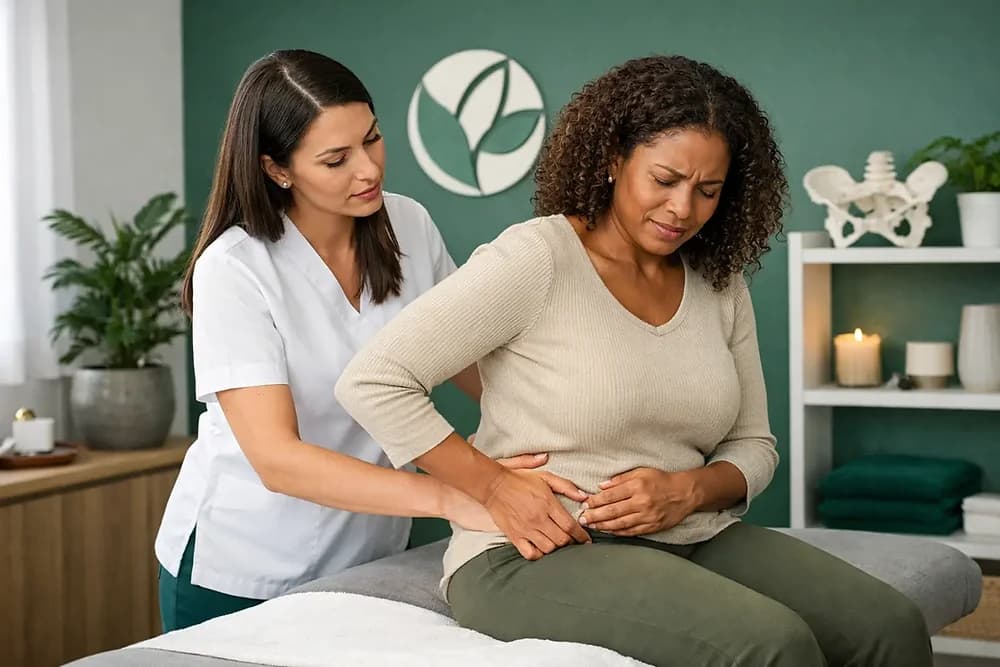
Hands-on treatment may help ease tension in overloaded muscles, improve comfort around the lower back, hips and pelvis, and reduce the sense of restriction that can build when pain has been present for a while. For some patients, this creates enough relief to move more normally again. For others, it works best alongside exercise-based rehabilitation.
Rehabilitation is where lasting change often happens. That might mean improving hip strength, restoring deep abdominal control, relaxing an overactive pelvic floor, building walking tolerance, or adjusting training loads so the body can recover rather than flare. The right programme depends on your symptoms, your stage of life and what you need your body to do.
This is particularly important for busy London patients who cannot simply stop working, commuting or caring for others. Treatment should fit around real life. It should help you recover, move better and feel more confident in your body, not leave you dependent on endless appointments.
A whole-person view matters with pelvic pain
Pelvic discomfort is rarely helped by a one-size-fits-all approach. Two people can both describe an aching pelvis and need very different support. One may need guidance through pregnancy-related pelvic girdle pain. Another may need help settling persistent pelvic floor tension linked to stress, period pain or previous trauma. Another may need postnatal rehab that reconnects the abdominal wall, breathing pattern and pelvic stability.
At eve Clinic, this whole-person approach is central to care. The focus is on listening properly, assessing how pain is affecting movement and daily life, and building a plan that supports both symptom relief and long-term progress.
Small adjustments can support recovery between sessions
What you do between appointments matters. That does not mean endless stretching or being told to "just strengthen your core". Often, the most helpful changes are specific and realistic.
Simple adjustments to sitting position, sleep set-up, walking pace, lifting technique, training load or recovery habits can reduce strain on the pelvis. In some cases, learning how to relax rather than tighten the pelvic floor is the missing piece. In others, a graded return to strength work or impact exercise helps the body become more resilient again.
The key is matching the strategy to the reason your pelvis aches. Too much rest can leave tissues deconditioned. Too much pushing can keep symptoms irritated. Good care sits in the middle - calm, targeted and responsive to how your body is doing.
If your pelvis has been aching for a while, you do not need to wait until it becomes unbearable before asking for help. The sooner you understand what is driving it, the easier it often is to start changing the pattern and get back to moving with more ease.