
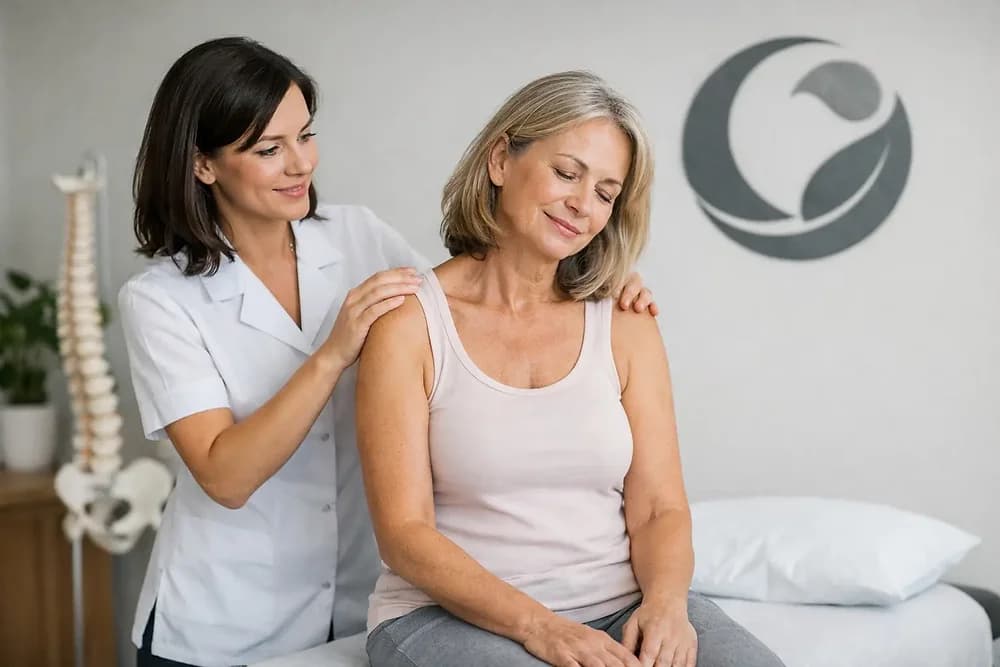
When your body starts feeling unfamiliar - stiffer in the morning, more reactive to stress, less settled in sleep, more prone to aches that seem to come from nowhere - it can be hard to know where to start. Many women looking for an osteopath for menopause symptoms are not expecting a miracle fix. They want clear advice, thoughtful hands-on care and a plan that helps them feel more comfortable in their body again.
Menopause is not one single experience, and that matters. For some women, the biggest challenge is joint pain and muscular tension. For others, it is headaches, poor sleep, fatigue, pelvic discomfort, reduced exercise tolerance or a sense that their usual coping strategies have stopped working. A good osteopathic approach does not treat all of this as one generic package. It looks at how hormonal change may be influencing pain, movement, recovery, posture, breathing and daily function, then builds care around the person in front of you.
Why menopause can affect the way your body feels
Menopause is often discussed in terms of hot flushes and mood changes, but many women notice a very physical shift as well. You may feel tighter through the neck and shoulders, more sore after exercise, or less resilient when work stress and poor sleep start to stack up. Joint stiffness, back pain and changes in pelvic comfort are common reasons women seek manual therapy at this stage of life.
There are several reasons for this. Hormonal change can influence tissue sensitivity, sleep quality and stress response. Poor sleep alone can increase pain sensitivity and reduce recovery. If you are moving less because you feel tired or achy, strength and mobility can dip, which then feeds into more discomfort. It is rarely just one thing. More often, menopause creates a knock-on effect where symptoms begin to overlap.
That is why a broader musculoskeletal view can be helpful. Instead of isolating one sore area, osteopathy considers how your whole system is coping. If your upper back is stiff, your breathing feels shallow, your jaw is tight and you are waking repeatedly overnight, those patterns may all be contributing to how you feel during the day.
What an osteopath for menopause symptoms may help with
An osteopath for menopause symptoms will usually focus on the physical effects that are making daily life harder. That may include back pain, neck pain, shoulder tension, joint stiffness, headaches, postural strain, reduced mobility, pelvic discomfort and general muscular aches. Some women also notice that old injuries become more noticeable during this stage, especially when sleep and recovery are poor.
Hands-on treatment may help calm irritated tissues, improve movement and reduce the sense of physical overload. Just as importantly, treatment can create space to understand what is driving the problem. Is your discomfort mainly coming from prolonged desk work, less strength training than before, disrupted sleep, stress-related tension, or a combination of all four? Usually, it is a combination.
This is where personalised care matters. A woman training for a half marathon through perimenopause needs different advice from someone commuting into London daily with persistent back pain and pelvic floor symptoms. Both deserve a plan that reflects real life, not generic instructions to stretch more and hope for the best.
What treatment usually involves
At a well-structured appointment, the first step is listening properly. That includes understanding your symptoms, your menstrual or menopause stage where relevant, your activity levels, work demands, sleep pattern and what feels hardest at the moment. The aim is not simply to identify where it hurts, but to understand why your body may be under strain.
Assessment then looks at how you move, where you are holding tension and whether certain areas are compensating for others. If your hips are stiff, for example, your lower back may be working harder. If you are bracing through the ribs and upper abdomen, your neck and shoulders may become overloaded. These patterns are common during periods of stress, hormonal transition and fatigue.
Hands-on osteopathic treatment may include gentle joint articulation, soft tissue work, mobility techniques and practical advice to help your body settle. At eve Clinic, this is paired with rehabilitation thinking rather than passive treatment alone. That matters because relief is only part of the job. The longer-term goal is to help you move better, recover better and rely less on frequent appointments.
Osteopathy is not a stand-alone answer - and that is a good thing
It helps to be realistic here. Osteopathy can be very useful during menopause, but it is not a replacement for broader support where needed. Some women benefit from combining manual treatment with strength work, walking, better pacing, pelvic health support, stress management strategies or medical input. Good care should make room for all of that.
This is not a weakness of osteopathy. It is actually one of its strengths when practised well. Menopause symptoms often sit at the intersection of pain, fatigue, stress, movement and confidence. A hands-on approach that also considers exercise, recovery habits and daily load can fit very well into that picture.
It also means treatment should adapt as your symptoms change. There may be times when hands-on work is the main focus because pain is high and movement feels limited. At other points, you may need less treatment and more guidance on rebuilding strength, improving desk set-up or returning to exercise without flare-ups.
When an osteopath for menopause symptoms is especially worth considering
If menopause has left you feeling physically disconnected from yourself, osteopathy can provide a useful reset. This is particularly true when pain is affecting your work, sleep or confidence in movement. You do not need to wait until symptoms are severe. Often, earlier support makes it easier to stop a difficult pattern becoming more entrenched.
It may be especially helpful if you are dealing with recurring back or neck pain, stiffness that is worse first thing, tension headaches, exercise-related aches that linger longer than they used to, or pelvic and lower abdominal discomfort that affects walking, sitting or training. It can also help if you feel stuck between wanting to stay active and worrying that activity will make things worse.
That said, the right practitioner matters. Menopause care should never feel dismissive or rushed. You should feel listened to, taken seriously and given explanations that make sense. A thoughtful osteopath will recognise that symptoms do not happen in a vacuum. Your job, sleep, stress, family demands and previous health experiences all shape how your body is coping now.
The value of longer-term thinking
Many women are used to being offered isolated solutions for isolated symptoms. A cream for one issue, a leaflet for another, a vague suggestion to manage stress somewhere in between. What is often missing is a joined-up plan. When musculoskeletal pain appears during menopause, it helps to look beyond short-term relief and ask what will make you more resilient over the next six to twelve months.
That might mean improving spinal mobility so desk work feels easier. It might mean building hip and glute strength to reduce lower back strain. It might mean addressing rib and diaphragm tension that is feeding shallow breathing and upper body tightness. Sometimes the most meaningful progress comes from small changes done consistently rather than dramatic treatment plans.
A good osteopath should help you understand that process without making it feel overwhelming. You should leave appointments clearer about what is happening, what may help and what you can do between sessions to support your recovery.
Choosing care that feels respectful and specific
Menopause can be an exposing time. Your body may not respond as it used to, and that can knock confidence, especially if you are trying to keep up with work, exercise and everyday responsibilities. Support should feel respectful, practical and specific to you.
That is why one-to-one care makes such a difference. Longer appointments allow time to explore the full picture, not just the most obvious symptom. They also make room for questions that many women hesitate to ask elsewhere - whether discomfort is linked to sleep loss, whether exercise should change, whether pelvic symptoms alter the treatment plan, or why pain suddenly feels more widespread than before.
There is no single menopause template, and there should not be a single treatment template either. The most useful osteopathic care is not about doing more treatment for the sake of it. It is about giving your body the support it needs, at the right time, with a clear path forwards.
If menopause symptoms are affecting how you move, sleep or cope with the day, seeking help is not overreacting. It is a practical step towards feeling stronger, steadier and more at home in your body again.