
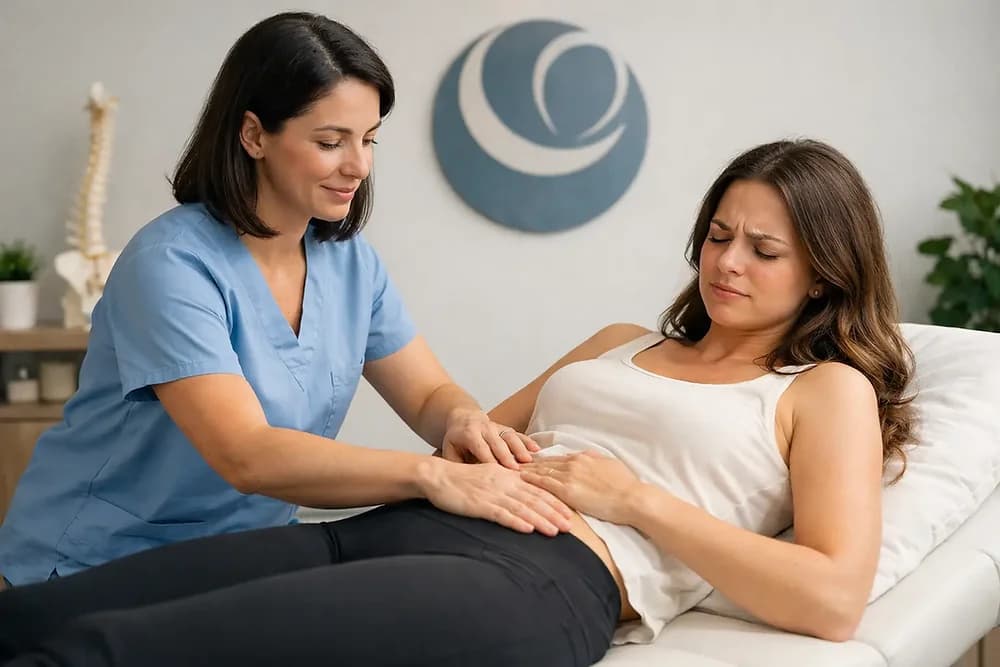
If you are living with endometriosis, you already know the problem is rarely limited to your period. Pain can affect your pelvis, lower back, hips, abdomen and even the way you sit at a desk, exercise, sleep or travel on the Tube. So when people ask, can osteopathy help endometriosis, the most honest answer is yes, it can often help - but not in a simplistic, one-size-fits-all way.
Osteopathy is not a replacement for gynaecological care, diagnosis or medical treatment. What it can offer is skilled, hands-on support for the physical strain that persistent pelvic pain places on the body. For many women, that means reducing tension, improving movement, calming protective muscle guarding and helping day-to-day activities feel more manageable.
Can osteopathy help endometriosis pain?
In many cases, osteopathy may help with the musculoskeletal side of endometriosis pain. That matters because ongoing pelvic pain rarely stays neatly in one area. Over time, the body adapts. You may brace through your abdomen, tighten your pelvic floor, alter your posture, walk differently or avoid movement altogether because everything feels sore, heavy or unpredictable.
Those adaptations are understandable, but they can create their own pattern of discomfort. Lower back pain, hip tightness, rib restriction, glute tension and pain with sitting are all common. Some women also notice that after months or years of pain, their body stays on high alert even between flare-ups.
Osteopathic treatment aims to work with those patterns. Gentle hands-on techniques may help reduce tension around the pelvis, lower back and surrounding tissues, improve mobility through stiff joints and support more comfortable movement. In practical terms, that may mean finding it easier to bend, walk, turn in bed, sit through a meeting or recover after a flare.
The key point is this: care should be tailored. Endometriosis presents differently in every person. One woman may mainly struggle with deep pelvic aching and painful periods, while another is more affected by back pain, fatigue, abdominal tension or pain during and after exercise. A thoughtful osteopathic approach takes that variation seriously.
Why endometriosis can affect the whole body
Endometriosis is often discussed as a pelvic condition, but its effects can spread far beyond the pelvis. Persistent pain changes how the nervous system, muscles and connective tissues respond. If an area has felt unsafe or painful for a long time, the body often protects it by tightening, limiting movement and distributing load elsewhere.
That is one reason some women with endometriosis feel pain in the lower back, sacroiliac joints, hips or upper thighs. Others develop tension through the diaphragm and rib cage, especially if they are guarding against abdominal pain or bloating. Breathing may become shallow. Core muscles can feel overworked yet ineffective. Pelvic floor muscles may become too tense rather than weak.
This wider body picture is where osteopathy can be particularly useful. A good assessment does not only focus on where it hurts. It looks at how you move, where you are compensating, what feels restricted and how pain is affecting your confidence in everyday life.
What osteopathic treatment for endometriosis may involve
Treatment should feel respectful, collaborative and clearly explained. That is especially important if you have had painful examinations, long waits for answers or healthcare experiences where you did not feel listened to.
Osteopathic care for endometriosis often includes gentle manual treatment to the lower back, pelvis, hips, abdomen and surrounding structures where appropriate and with consent. The aim is not to force change. It is to encourage better mobility, reduce excess tension and help the body move with less strain.
Depending on your presentation, treatment may also include work around the rib cage, diaphragm and thoracic spine if breathing and trunk movement are contributing to pressure and guarding. Some people benefit most from very gentle approaches when pain is flared or the nervous system is particularly sensitive. Others tolerate more direct treatment once symptoms have settled.
Hands-on care is usually only part of the plan. Rehabilitation advice matters just as much. That may include simple mobility work, pacing strategies, positions to ease pressure, breathing work, graded return to exercise and practical guidance for managing workdays, commutes or training around flare patterns.
For many patients, the most valuable part is not just temporary relief after treatment. It is understanding why the body is reacting as it is, and having a clear plan to recover, move better and feel more in control.
What osteopathy cannot do
It helps to be clear about expectations. Osteopathy cannot cure endometriosis, and it should never be presented as a substitute for medical care. If you need investigations, medication, hormonal management or surgical input, those conversations belong with the appropriate medical team.
Where osteopathy fits is in supporting comfort, movement and function alongside that care. For some women, it can be part of a broader strategy that helps them cope better before surgery, recover more comfortably afterwards or manage ongoing pain while pursuing other treatment options.
Results also vary. Some people feel noticeably easier after a few sessions, particularly if muscle tension and movement restriction are major drivers of pain. Others need a slower approach because symptoms are longstanding, complex or linked with significant nervous system sensitivity. Honest care involves recognising that difference rather than promising the same outcome to everyone.
Can osteopathy help endometriosis alongside other treatment?
Yes, and often that is where it is most useful. Endometriosis care tends to work best when it is multidisciplinary. Osteopathy can sit alongside medical management, pelvic health physiotherapy, exercise, counselling support, pain education and lifestyle strategies.
That joined-up approach matters because endometriosis affects more than one system. You may be dealing with pain, fatigue, bowel discomfort, sleep disruption, reduced activity, anxiety about flare-ups and frustration from feeling misunderstood. No single appointment type can resolve all of that.
What osteopathy can do is make the physical load easier to carry. If your pelvis and lower back are moving more comfortably, if your abdominal wall is less guarded and if you are less fearful of movement, it often becomes easier to tolerate exercise, work more comfortably and engage with the rest of your care plan.
Who may benefit most?
People with endometriosis often seek osteopathic support when they notice that pain is affecting their movement as much as their cycle. You may be a good fit for this kind of care if you have recurring pelvic or lower back pain, tension through the hips or abdomen, discomfort when sitting, or flare-ups that leave your body feeling tight and braced for days afterwards.
It can also be helpful if you feel stuck between appointments, unsure how to move safely, or frustrated that your body no longer feels like your own. Skilled one-to-one care can help rebuild confidence as well as mobility.
That said, timing matters. If symptoms are severe, rapidly changing or accompanied by new concerns, medical review comes first. Good osteopathic care does not work in isolation or ignore the bigger clinical picture.
What to look for in an osteopath if you have endometriosis
Experience in women’s health makes a real difference. Endometriosis is not simply a matter of treating a sore back and hoping for the best. It requires an understanding of pelvic pain, central sensitisation, menstrual health, scar-related restriction where relevant, and the emotional load that can come with persistent symptoms.
You should expect to be heard properly. That means enough time for a detailed history, clear explanations, careful consent and a treatment plan that reflects your goals. For one person, success may mean getting through the work week with less pain. For another, it may mean returning to the gym, sleeping better or feeling more comfortable during their cycle.
At eve Clinic, this kind of care is built around longer one-to-one sessions and a personalised plan, because complex pain rarely responds well to rushed appointments or generic advice.
A more useful question than "can osteopathy help endometriosis"
Often, the better question is: how could osteopathy help me, in my body, with my symptoms and my daily life? That shift matters. It moves the conversation away from broad promises and towards personalised care.
For some women, the main benefit is less pelvic and back tension. For others, it is improved movement, better tolerance of exercise, reduced guarding, or simply feeling that someone finally understands how pain is affecting work, relationships and confidence. Those outcomes are not small. They can change how manageable life feels.
If endometriosis is leaving your body tense, restricted or constantly on edge, osteopathy may offer practical, respectful support as part of your wider care. You deserve treatment that takes your pain seriously and helps you move through life with more ease, not less.