
If pain is affecting how you sit at your desk, train, sleep, carry your baby or simply get through the day, it is reasonable to ask: what does an osteopath do? For many people, the short answer is that an osteopath looks at how your body is moving, what may be contributing to strain or discomfort, and how to help you recover, move better and feel more confident in daily life.
That answer matters because osteopathy is not just about a quick hands-on treatment and sending you on your way. Good osteopathic care should be thoughtful, personalised and practical. It should help you understand what is going on, why it may be happening, and what you can do next.
What does an osteopath do in practice?
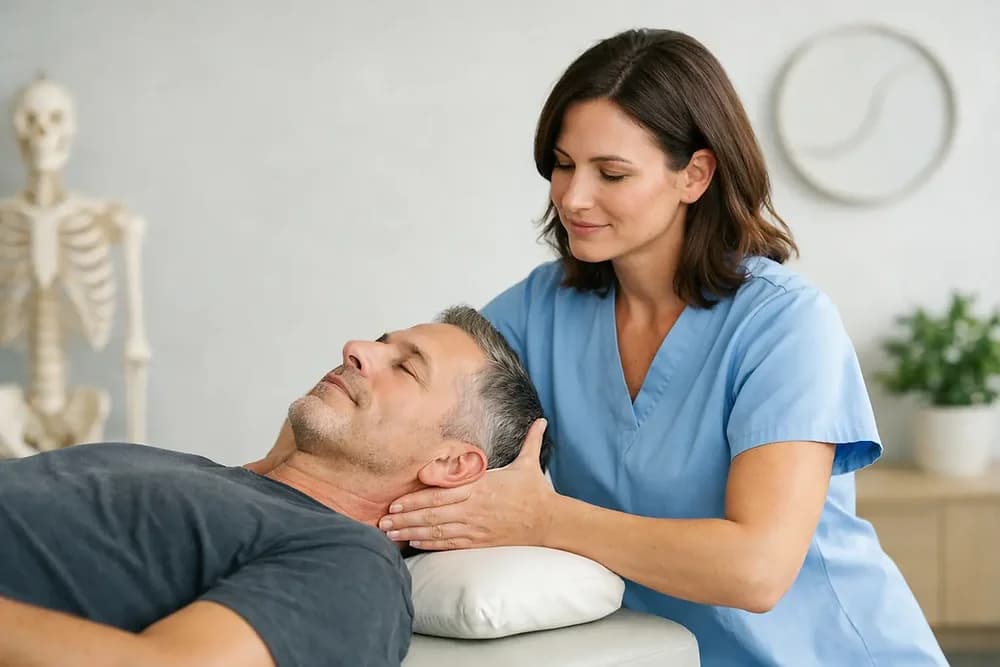
An osteopath assesses how your muscles, joints, connective tissues and overall movement are working together. They use a detailed case history, a physical assessment and clinical reasoning to build a picture of why you may be in pain, stiff, restricted or not recovering as expected.
From there, treatment may include hands-on techniques to ease tension, improve joint mobility and settle irritation in overworked areas. It can also include exercise guidance, advice on posture or training load, and a plan to help you return to work, sport, parenting or everyday movement with less discomfort.
In other words, osteopaths do far more than simply "click backs". A good appointment is usually a combination of assessment, treatment, explanation and rehabilitation.
What happens at an osteopathy appointment?
Your first appointment is normally longer because the assessment is a key part of good care. You should expect to be asked about your symptoms, your medical history, your work, your activity levels and what you need your body to do day to day. For one person that may mean running without knee pain. For another, it may mean getting through a commute, sleeping comfortably during pregnancy or returning to exercise after birth.
The physical assessment often looks at how you move, where you feel restricted, how certain joints and muscles are behaving, and whether everyday patterns such as bending, twisting, walking or lifting are being affected. Depending on the problem, this may involve looking at the spine, pelvis, shoulders, ribs, hips or jaw, as well as the surrounding muscles and soft tissues.
Treatment is then shaped around what is found. That might include soft tissue work, stretching, mobilisation, articulation or other manual techniques designed to reduce discomfort and improve mobility. In many cases, the osteopath will also give you tailored exercises and advice to support longer-term change.
Hands-on treatment is only part of the job
One of the biggest misunderstandings about osteopathy is that treatment begins and ends with the hands. Manual therapy can be very helpful, especially when pain is limiting movement or when the body feels guarded and tense. It may help reduce sensitivity, improve movement and create a useful window for recovery.
But hands-on care is usually most effective when paired with a wider plan. If your neck pain is being aggravated by long hours at a laptop, if your back pain flares because you are exhausted and not moving enough, or if your running injury keeps returning because your strength has not caught up with your goals, treatment alone may not be enough.
That is why osteopaths often work with exercise, pacing, load management and practical lifestyle strategies. The aim is not just to help you feel better on the treatment couch, but to help you function better away from it.
What conditions and concerns might bring someone to an osteopath?
Many people seek osteopathic care for back pain, neck pain, joint stiffness, muscle tension, headaches linked to the neck, sports injuries and persistent aches that are starting to interfere with work or exercise. Others come because they feel they are not moving properly after an operation, after a period of inactivity, or after pushing through pain for too long.
Osteopathy can also play a valuable role in women’s health and rehabilitation. For example, some women look for support with pregnancy-related back or pelvic discomfort, postnatal recovery, abdominal or pelvic scar tightness, or the physical strain that can come with hormonal shifts and life-stage changes. In these situations, thoughtful assessment and respectful care matter just as much as technique.
The right approach is never one-size-fits-all. Someone training for a half marathon needs a different plan from someone recovering after childbirth or managing long-standing desk-related pain. Good osteopathic care recognises that difference.
What does an osteopath do for women’s health and rehabilitation?
This is an area where detail and sensitivity really matter. For women dealing with pelvic discomfort, pregnancy-related changes, postnatal weakness or recovery after gynaecological procedures, osteopathic care should feel informed, respectful and clearly explained.
An osteopath may assess how the pelvis, lower back, ribs, diaphragm and surrounding muscles are moving and coping with load. They may use gentle hands-on treatment to ease strain in areas that are overworking and combine that with rehabilitation to support strength, confidence and function. That could mean helping someone move more comfortably through pregnancy, rebuild after birth, or manage the physical impact of returning to work, exercise or daily routines.
Just as importantly, a good practitioner should adapt care to your comfort level, explain why they are recommending certain techniques, and make space for questions. For many women, being listened to properly is not a bonus. It is part of effective treatment.
How is an osteopath different from a physiotherapist or chiropractor?
There is some overlap between professions, which can make this confusing. Osteopaths, physiotherapists and chiropractors all work with pain, movement and musculoskeletal rehabilitation, but their training, style and emphasis can differ.
Osteopaths often take a broad whole-body view of how movement patterns, joint mobility, muscle tension, daily habits and physical demands interact. In practice, many combine hands-on treatment with exercise-based rehabilitation and education. Some clinics, particularly those with strong rehabilitation expertise, blend these approaches in a very integrated way.
The best choice depends on the practitioner as much as the professional title. A thorough assessment, clear explanations, an evidence-informed approach and a plan tailored to your life are usually more important than labels alone.
What results should you expect?
A good osteopath should be honest about this. Some people feel relief quickly, especially if the problem is recent and mainly mechanical. Others need a slower, more layered approach, particularly if pain has been present for months, movement has become limited, or stress, sleep, training load or hormonal factors are also affecting recovery.
You should not expect a magic fix. You should expect a sensible plan. That plan may aim to reduce pain, restore movement, improve strength, help you understand flare-ups and reduce the chance of the same issue returning.
In a well-run clinic, treatment should also have a clear direction. If you need ongoing support for a period, that should be explained. If your plan can shift towards self-management and fewer appointments, that should be the goal too.
When should you consider seeing an osteopath?
If pain is stopping you from moving normally, recurring despite rest, or making work, exercise, sleep or parenting more difficult, it is worth getting assessed. The same applies if you feel stuck in a cycle of short-term relief followed by the same flare-up, or if you know something about the way you move has changed but you are not sure why.
You do not need to wait until things are severe. In many cases, earlier advice and treatment can help prevent a manageable issue becoming more persistent. That is especially helpful for busy professionals, active people and new mothers who are already juggling enough.
At eve Clinic, this kind of care is built around longer one-to-one sessions, careful assessment and a treatment plan that supports both immediate relief and long-term progress. For many patients, that combination is what makes care feel genuinely useful rather than rushed.
The most helpful way to think about osteopathy is this: it is not simply about where it hurts. It is about how your body is coping, what it needs to move more comfortably, and how to help you return to daily life with more ease and confidence. If a practitioner can offer that with skill, clarity and respect, the question is no longer just what does an osteopath do. It becomes whether the support is helping you feel more in control of your recovery.