
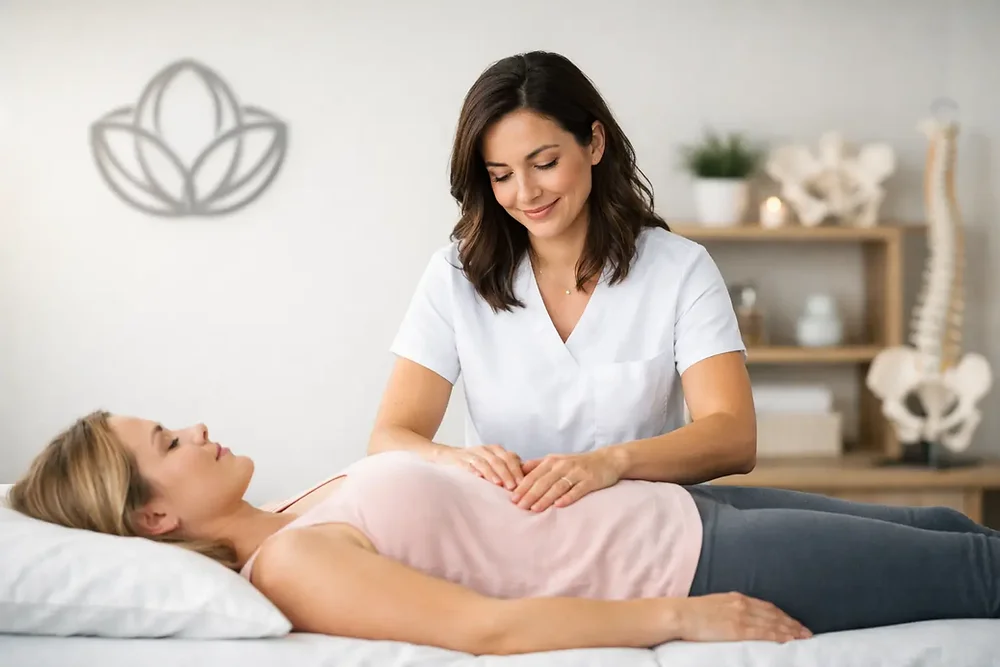
When pain around your pelvis, lower back or abdomen starts shaping your day, it rarely stays in one neat box. It can affect how you sit at work, exercise, sleep, parent, commute and feel in your own body. That is where women's health osteopathy can be genuinely useful - not as a one-size-fits-all fix, but as thoughtful, hands-on care that looks at how your body is moving, coping and recovering in real life.
For many women, symptoms are brushed off for far too long. Heavy periods, persistent pelvic discomfort, pain during pregnancy, postnatal weakness or the physical changes that come with menopause are often normalised rather than properly explored. Good osteopathic care should feel different. It should be respectful, individual and practical, with enough time to understand what is happening and what will actually help you recover, move better and feel more confident.
What women's health osteopathy involves
Women's health osteopathy focuses on the musculoskeletal and movement-related issues that can affect women at different life stages. That can include period-related pain, pregnancy discomfort, postnatal recovery, pelvic tension, scar-related restrictions and aches linked to hormonal change. The aim is not simply to chase short-term relief. It is to improve how your body moves and functions, so daily life becomes easier and less painful.
Treatment usually begins with a detailed conversation and assessment. That matters because the same symptom can have very different drivers in different people. One person with pelvic pain may also have marked stiffness through the hips and lower back. Another may be dealing with abdominal tension, reduced confidence after birth or scar restriction after surgery. The treatment plan should reflect those differences rather than forcing everyone into the same approach.
Hands-on osteopathic treatment may be combined with movement advice, rehabilitation exercises, breathing work and simple changes to daily habits. In a specialist setting, the value is often in that combination. Manual treatment can help reduce strain and improve mobility, while tailored rehabilitation helps your body hold onto those gains between appointments.
Why symptoms can feel wider than one area
The body rarely works in isolated parts. If the pelvis is under strain, you may notice it in the lower back, hips, groin or even through your walking pattern. If your abdominal wall is not working well after pregnancy or surgery, your back and pelvic floor can end up taking more load. If pain has been going on for months, muscles often become more guarded, movement becomes less varied and confidence can drop.
This is one reason women's health osteopathy can be helpful for people who feel their symptoms are not being understood as a whole. A thorough osteopathic assessment looks at posture, joint movement, muscle tension, breathing mechanics and day-to-day function. It asks not only where it hurts, but when, why and what that pain is stopping you from doing.
There is also a real difference between treating a flare-up and supporting longer-term recovery. Some people need short-term relief so they can get through work or sleep more comfortably. Others want a plan that helps them return to running, lifting, childcare or simply sitting through the day without bracing. Both are valid, but the treatment needs to match the goal.
When osteopathy may help
Women's health osteopathy is commonly sought during times when the body is adapting quickly or carrying extra strain. Pregnancy is an obvious example. As your body changes, joints and soft tissues may be asked to work differently, which can lead to discomfort in the lower back, pelvis, ribs, neck or hips. Hands-on treatment and practical exercise guidance can often help reduce mechanical strain and improve comfort.
Postnatal recovery is another area where individual care matters. Some women feel ready to return to activity but notice weakness, heaviness, back pain or tension around a caesarean scar. Others feel disconnected from their body after birth and are not sure where to begin. Osteopathic care can support recovery by improving movement, reducing restriction and building a realistic rehabilitation plan around sleep, feeding, work and family life.
Period pain and endometriosis-related discomfort can also have a strong musculoskeletal impact. Even when symptoms fluctuate with the cycle, the body may develop patterns of tension and guarding that persist beyond those days. Gentle, skilled treatment may help reduce some of the associated strain in the pelvis, lower back and abdomen, especially when paired with advice that supports better movement and pacing.
Menopause can bring a different set of challenges. Stiffness, joint aches, changes in recovery, sleep disruption and reduced resilience to load can all affect how comfortable and capable you feel. That does not mean you should simply put up with it. Often, a well-judged combination of manual treatment, strength-based rehabilitation and load management can help you feel steadier and more in control.
What treatment should feel like
Specialist care should never feel rushed or impersonal. In women's health, that matters even more. Many patients arrive after feeling dismissed, embarrassed or uncertain about what is normal. A good appointment creates space for clear questions, careful listening and explanations that make sense.
Hands-on treatment can vary depending on your symptoms, preferences and stage of recovery. It may include gentle joint mobilisation, soft tissue work, stretching techniques or treatment to reduce tension around the lower back, hips, abdomen and rib cage. It should always be explained properly, adapted to your comfort and carried out with dignity and consent.
Just as importantly, you should leave with a better understanding of your body. That might mean knowing which movements are safe to continue, what to modify temporarily, how to breathe and brace more effectively, or which exercises are most likely to help. Good care builds independence. It should not leave you feeling that only repeated treatment will keep you functioning.
The value of rehabilitation alongside hands-on care
Manual treatment can create change, but rehabilitation is often what makes that change last. If pain has altered the way you move, strengthening and retraining the right areas can be the difference between brief relief and real progress.
That does not mean a generic sheet of exercises. The best rehabilitation is specific enough to fit your symptoms and simple enough to fit your life. A new mother may need a very different starting point from a runner hoping to return after pelvic pain. A desk-based professional managing period-related back pain may need practical strategies for commuting and sitting, not a long home programme they will never complete.
At eve Clinic, this joined-up approach is central to care. Treatment is designed to do more than reduce pain for a few days. The goal is to help patients regain confidence in movement, recover function and rely less on frequent appointments over time.
Choosing the right women's health osteopathy support
Not every osteopathic setting offers the same level of experience in women's health. If your symptoms relate to pregnancy, postnatal recovery, pelvic discomfort, scar restriction or cyclical pain, specialist knowledge makes a difference. You want someone who understands the overlap between musculoskeletal strain, physical recovery and the demands of ordinary life.
It is also worth looking for a clinic that allows enough time. Longer one-to-one appointments often lead to better assessment, clearer explanations and more tailored treatment. That can be especially helpful if your symptoms are complex, longstanding or linked to several phases of life at once.
The right practitioner should make you feel listened to, not hurried. They should be able to explain what they are finding in plain English, outline realistic treatment options and be honest about where progress may take time. Some people improve quickly. Others need a steadier plan with regular reassessment. Good care makes room for both.
If you have been putting up with pelvic, abdominal or back discomfort because it feels too complicated, too personal or too easy to dismiss, you do not have to figure it out alone. The right support can help you understand what your body needs now - and that is often the first real step towards feeling more comfortable, capable and at ease again.